25 de Noviembre





Dopo la mia partenza forzata da Cuba il 4 luglio del 2006, e dopo essere diventato persona non grata, non avrei mai immaginato che sarei ritornato. La mia vita lì era finita per me come per molte persone prima e dopo di me. Per molti anni l’isola e la sua gente, la nostra famiglia e i miei amici contadini mi sono mancati enormemente.
Una mattina del 2015, la mia compagna di vita Sissy mi ha detto: “Ho sognato che puoi tornare a Cuba!” Ha aggiunto: “Fammi vedere se è vero. Fammi controllare con il consolato cubano. ” Tornò allegra, affermando che il suo sogno era realtà. Il console donna le aveva confermato che ero nuovamente benvenuto nell’isola. Ho digerito la notizia per oltre un anno. Continuavo a chiedermi come fosse possibile che il mio nome fosse stato cancellato dalla lista nera? Perché?
Esattamente dieci anni e dieci giorni dopo la mia partenza, il 14 luglio 2016, sono tornato timidamente con alcuni amici fidati. Assieme a Linda Kay, Juan e Willard esplorarono nuovamente la mia amata Avana per una settimana prima di andare in campagna per abbracciare i miei amici Fidel, Miguel e le loro famiglie.
Ciò che tutti trovammo abbastanza sorprendente era che non era cambiato molto. Nonostante ciò, avevo dieci anni in più; la mia visione fotografica si era evoluta.
Al ritorno a casa a New York, mi chiedevo se e quando sarei tornato sull’isola, ma non avevo una risposta chiara.
Quando mi sono svegliato il 25 novembre 2016, ho trovato un messaggio di testo di Sissy: “Amore mio, Fidel è morto! Vai a Cuba.” Il suo consiglio non mi ha lasciato scelta: era un ordine! Sapevo che dovevo andare.
La scelta del titolo 25 de Noviembre venne per caso quando scoprii che nella stessa data, sessant’anni prima, Fidel Castro era partito da Tuxpan, Veracruz, in Messico, su uno yacht chiamato Granma con ottantuno giovani patrioti per iniziare la rivoluzione.
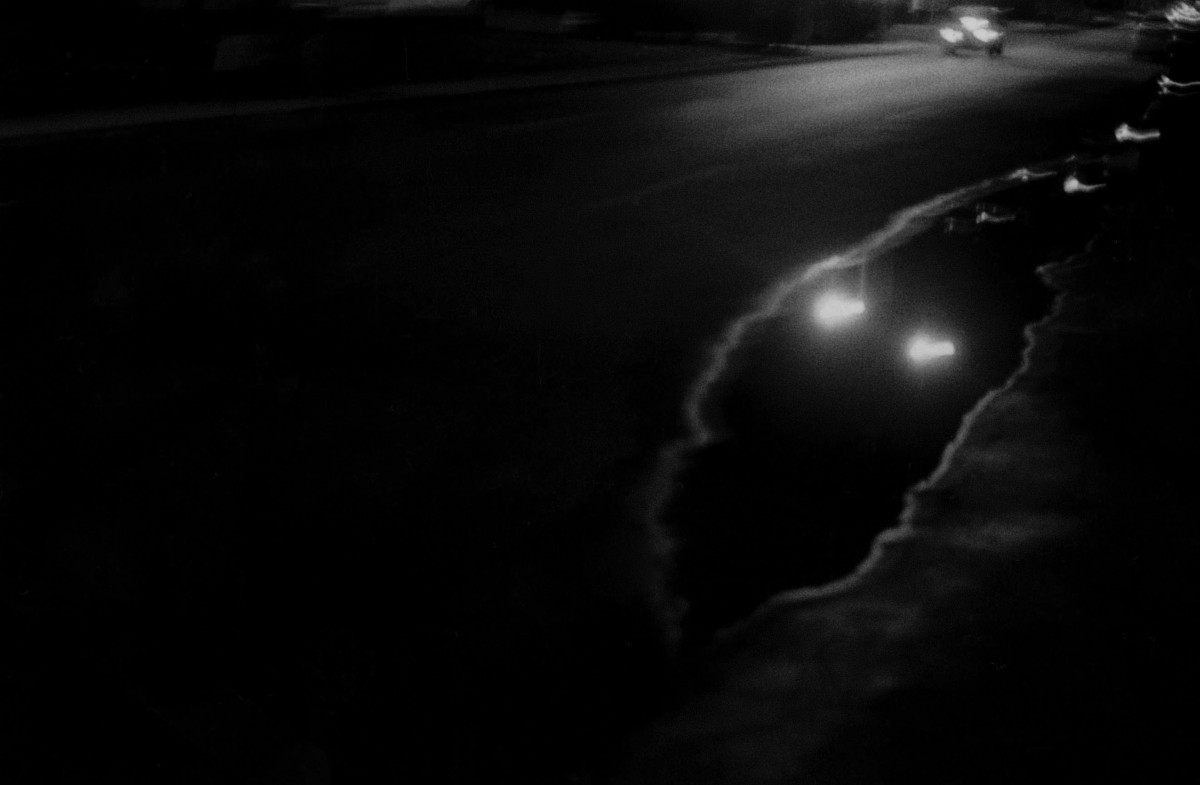
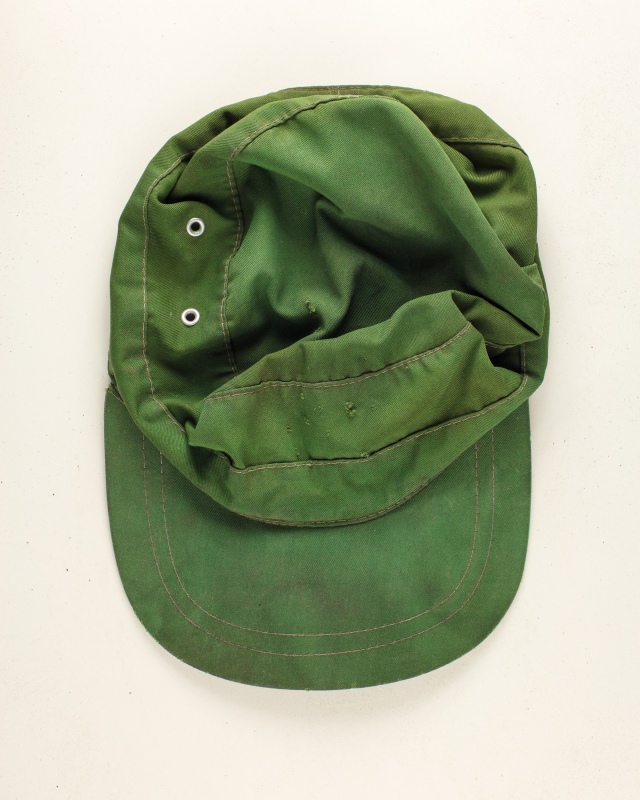
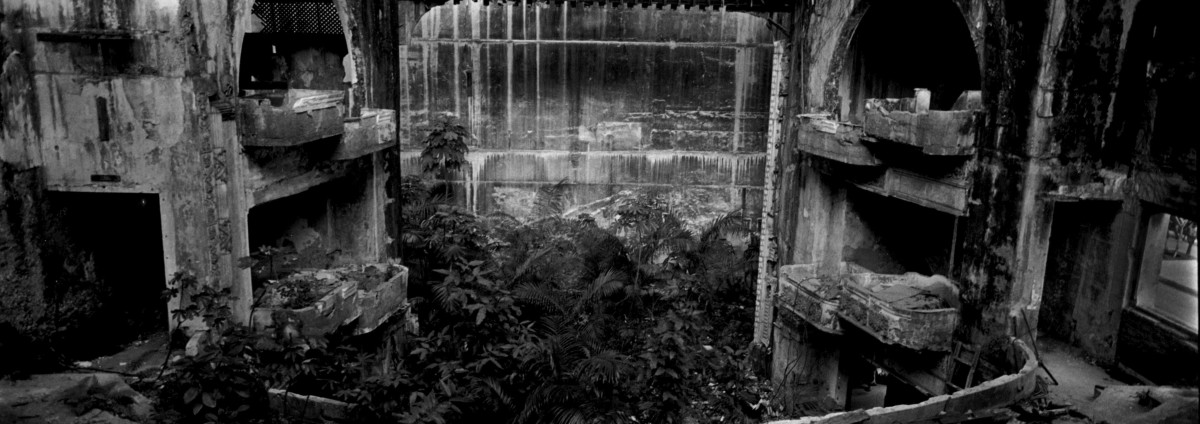
Alla fine questo libro è una poesia. È un requiem per Cuba nel momento della morte del leader storico, una sobria elegia per tutte le anime cubane defunte, un atto di resistenza e un canto d’incoraggiamento per i coraggiosi cubani che affrontano la vita nel miglior modo possibile.
One morning in 2015, my life companion Sissy told me: ”I dreamt that you can return to Cuba!” She added: ”Let me see if it is true. I’m going to double-check with the Cuban consulate.” She returned joyful, asserting that her dream was true. The female consul had confirmed that I was welcomed back to the island. I digested the news for over a year. I kept asking myself how could it be possible that my name had been erased from the black list? Why?
Exactly ten years and ten days after my departure, on July 14, 2016, I timidly returned with some trusted friends. Linda Kay, Juan, Willard and I explored again my beloved Havana for a week before going to the countryside to embrace my friends Fidel, Miguel and their families.
What we all found quite surprising was that not much had changed. However, I was ten years older; my photographic vision had evolved.
Upon returning home to New York, I was wondering if and when I would return to the island, but I had no clear answer.
When I woke up on November 25, 2016, I found a text message from Sissy: ”My love, Fidel has passed away! Go to Cuba.” Her advice left me no choice: it was an order! I knew I had to go.
The choice of the title 25 de Noviembre came by chance when I found out that on the same date, sixty years earlier, Fidel Castro had left from Tuxpan, Veracruz, Mexico on a yacht called Granma with eighty-one young men to start the revolution.
Ultimately this book is a poem. It’s a requiem for Cuba at the moment of the historic leader’s passing, a sober eulogy for all the departed Cuban souls, an act of resistance and a song of encouragement for the many courageous Cubans facing life as best they can. EB
